Updated: May 2026
Best Time for Raja Ampat Freedive Society
The optimal period for Raja Ampat freedive expeditions stretches from **October to April**, marking the dry season. During these months, the archipelago experiences its calmest seas, minimal rainfall, and unparalleled underwater visibility, often exceeding 30 meters. This window ensures consistent access to remote dive sites and a vibrant display of marine biodiversity.
- **October to April:** Calmest seas, highest visibility, ideal for deep freediving and exploration.
- **May & September:** Shoulder seasons offer fewer crowds and attractive pricing with good conditions.
- **June to August:** Wet season brings rain, but also unique land experiences and significantly reduced visitor numbers.
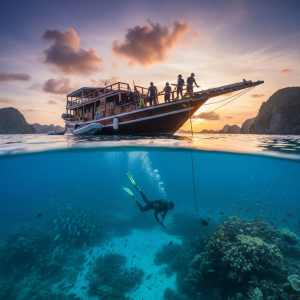
The sun warms your skin, a gentle breeze carries the scent of salt and damp earth across the turquoise expanse. Below the surface, a silent world awaits: a kaleidoscopic reef pulsates with life, schools of barracuda shimmer in unison, and the profound blue beckons. This is Raja Ampat, a name synonymous with unparalleled marine biodiversity, a sanctuary for the discerning freediver. Yet, to truly unlock the full spectrum of this Indonesian jewel, understanding its seasonal rhythms is paramount. We chart the year, month by month, guiding you through the nuanced ballet of weather, currents, and marine life, ensuring your Raja Ampat freedive experience transcends expectation.
The Dry Season Zenith: October to April
This seven-month span represents the prime window for a Raja Ampat freedive journey, offering the most consistent and favorable conditions across the archipelago. The southeastern monsoon winds have subsided, giving way to calmer seas and a significant reduction in rainfall. Days are typically long and bright, with average air temperatures hovering around 30°C (86°F), providing perfect conditions for surface intervals and island exploration. Water temperatures remain a constant, inviting 28-30°C (82-86°F), negating the need for thick wetsuits for most freedivers. This period sees the highest visitor numbers, especially around Christmas, New Year, and Easter, reflecting its reputation for exceptional underwater clarity and accessibility to remote sites. Booking well in advance—often 6 to 12 months—is highly recommended for luxury liveaboards and exclusive resorts during these peak times.
October to December: Early Dry Season Delights
As October arrives, Raja Ampat sheds the last vestiges of the transitioning monsoon. The seas become increasingly tranquil, and visibility begins its ascent towards its annual peak. This early dry season offers a sweet spot: excellent conditions are firming up, yet the peak holiday crowds have not fully descended. Underwater visibility regularly exceeds 20 meters (65 feet) and often pushes past 25 meters (82 feet) by December. The marine ecosystem is vibrant, with large schools of fish congregating, and the chances of encountering manta rays and reef sharks are consistently high. November, in particular, often presents a harmonious balance of superb conditions and slightly fewer boats compared to the later months. Pricing for exclusive resorts and bespoke freediving charters begins to rise steadily from October, reaching near-peak rates by mid-December, reflecting the increasing demand. A typical 7-day luxury freediving expedition might see prices start from $4,500 per person during this period.
January to April: Peak Visibility and Calm Seas
The heart of the dry season, from January through April, delivers the most consistently pristine conditions for a Raja Ampat freedive. This is when the underwater world truly opens up, with visibility frequently extending beyond 30 meters (100 feet), creating an almost boundless blue canvas for freedivers. Surface conditions are typically glassy, making for effortless boat transfers and comfortable descents. The sheer volume and diversity of marine life are astounding; expect to encounter anything from pygmy seahorses meticulously hidden in gorgonian fans to cruising reef sharks and majestic oceanic manta rays at cleaning stations. This period is also renowned for its calm currents, particularly beneficial for those refining their depth training or exploring new personal bests. Due to the unparalleled conditions, these months represent the absolute peak of the tourist season. Expect luxury accommodations and liveaboard charters to be fully booked months in advance, with pricing at its highest, often 15-20% above shoulder season rates. Flights into Sorong (SOQ), the primary gateway, also see increased demand and higher fares, so securing air travel early is crucial. The journey from Sorong to your chosen island resort or liveaboard departure point typically takes an additional 2-4 hours by fast ferry or private transfer, adding to the overall travel time.
Shoulder Season Serenity: May and September
For those seeking a balance between excellent conditions, fewer crowds, and more favorable pricing, the shoulder months of May and September offer a compelling alternative for your Raja Ampat freedive adventure. These periods mark the transition between the dominant monsoon seasons, characterized by shifting weather patterns that often deliver pleasant surprises. While there’s a slightly increased chance of rain showers compared to the dry season, these are typically short-lived and often occur during the late afternoon or overnight, leaving the mornings clear and bright for diving. Air temperatures remain consistently warm, averaging 29-31°C (84-88°F), and the inviting water temperature of 28-29°C (82-84°F) persists. The significant advantage here is the noticeable reduction in visitor numbers. Dive sites feel more exclusive, and the overall atmosphere is one of quiet discovery. You’ll find more availability for luxury accommodations and liveaboard berths, and pricing can be 10-15% lower than the peak dry season rates, making a premium experience more accessible.
May: A Quiet Transition
May sees the dry season gently give way to the fringes of the northwestern monsoon. While some regions, particularly the northern islands, may experience slightly choppier waters, the central and southern areas often retain excellent conditions. Visibility generally remains strong, averaging 20-25 meters (65-82 feet), still offering incredible underwater vistas. This month is particularly appealing for those who prefer a more tranquil experience without significant compromise on marine conditions. The occasional rain shower adds a lush vibrancy to the islands, enhancing the natural beauty above water. Marine life is abundant, with manta rays and various reef species still very active. With fewer boats and divers, encounters can feel more intimate and profound. This is an ideal time for photographers and those who value solitude during their freediving sessions. Luxury charter rates in May might see a reduction of approximately $500-$1000 for a week-long trip compared to peak season.
September: Anticipation Builds
September ushers in the calm before the dry season storm, a month of increasing stability as the southeastern monsoon recedes. The sea surface begins to flatten, and the frequency of clear, sunny days steadily increases. Underwater visibility improves throughout the month, consistently reaching 20-25 meters (65-82 feet) and often pushing higher by the latter half. This is a fantastic time for freedivers to experience Raja Ampat before the peak season crowds arrive. The marine environment is teeming with activity, with many species preparing for their more active dry season routines. Whale sharks, though not a guaranteed encounter in Raja Ampat, have been sighted with slightly higher frequency during this transitional period in some years. Resorts and liveaboards often offer attractive packages in September, with pricing that reflects the pre-peak demand, typically 10-15% less than the high season. This can translate to savings of up to $700 per person on a luxury seven-day itinerary, making it a smart choice for value-conscious luxury travelers.
Embracing the Wet Season: June to August
While often labeled the “wet season,” the months of June, July, and August in Raja Ampat offer a distinct, often misunderstood, experience for the adventurous freediver. This period is dominated by the southeastern monsoon, bringing more consistent rainfall and stronger winds, particularly to the southern parts of the archipelago. However, it’s crucial to understand that “wet season” in the tropics rarely means incessant, all-day rain; rather, it often manifests as heavy, localized downpours followed by periods of sunshine. Average daily rainfall can increase to 200-300mm per month, compared to 50-100mm in the dry season. Air temperatures remain high, around 29-30°C (84-86°F), and water temperatures are a consistent 27-29°C (81-84°F). The primary impact on freediving is reduced visibility, which can drop to 10-15 meters (30-50 feet) due to increased runoff and plankton blooms. Surface conditions can also be choppier, making some exposed dive sites less accessible. Yet, this season presents unique advantages: significantly fewer tourists, providing an unparalleled sense of exclusivity. You might have an entire dive site to yourself, a true luxury in a world-renowned destination. Many liveaboards relocate to different regions of Indonesia during these months, meaning fewer options but also a more specialized, intimate experience with the operators who remain. Pricing during this low season can drop by 20-30% compared to peak rates, representing substantial savings for luxury travel.
June to August: Verdant Landscapes and Unique Encounters
During these months, the islands of Raja Ampat transform into lush, vibrant green landscapes, invigorated by the regular rain. The increased plankton in the water, while reducing visibility, can attract different pelagic species, offering unique photographic opportunities and encounters. While the iconic manta ray populations might be less concentrated at specific cleaning stations, other reef inhabitants thrive. For those seeking a deeper connection with the natural environment beyond just freediving, the wet season offers a different kind of immersion. Exploring the verdant jungle interior, spotting endemic bird species like the Red Bird-of-Paradise, or discovering hidden waterfalls becomes a more prominent activity. Some operators focus on the more sheltered bays and inner reefs, which remain relatively calm and offer decent freediving. Flights to Sorong (SOQ) are generally less expensive, and domestic connections are more readily available. The limited number of operating luxury resorts and liveaboards means that while choices are fewer, those available often provide highly personalized service. For the truly intrepid and flexible freediver, or those on a tighter budget who still demand a luxury experience, the wet season can unveil a different, equally captivating side of Raja Ampat. Consider a 10-day itinerary during this period for a more relaxed pace, with prices for luxury charters potentially starting from $3,500 per person.
The Underwater Canvas: Visibility, Currents, and Temperatures
Understanding the interplay of visibility, currents, and water temperatures is crucial for planning your ideal Raja Ampat freedive expedition. These factors are directly influenced by the prevailing monsoon seasons and dictate the quality of your underwater experience. Raja Ampat sits within the Coral Triangle, a global center of marine biodiversity, and its conditions are consistently warm and inviting. Water temperatures throughout the year typically range from 27°C to 30°C (81°F to 86°F), meaning a 3mm wetsuit or even just a rash guard is usually sufficient for comfort during extended freediving sessions. This consistent warmth is a major draw, allowing for long, comfortable dives without the chill often associated with colder waters. The stability of these temperatures means thermal comfort is rarely a concern, irrespective of the season. However, visibility and currents tell a more nuanced story, directly tied to the seasonal winds and rainfall.
During the peak dry season (October-April), visibility is at its zenith, often exceeding 30 meters (100 feet). This crystal-clear water, combined with minimal currents, creates an unparalleled environment for freediving. You can spot marine life from a distance, track schools of fish effortlessly, and appreciate the vastness of the reef structures. The gentle currents present during this time are often negligible or mild, making it ideal for depth training, static apnea practice, and leisurely reef exploration. Conversely, the wet season (June-August) sees visibility drop to 10-15 meters (30-50 feet) on average, and currents can be more unpredictable and stronger, especially in exposed channels. While still offering incredible freediving, it requires a different approach, focusing on drift dives or exploring more sheltered bays. The increased plankton during this time, while reducing visibility, can attract larger filter feeders, offering unique encounters. The shoulder seasons (May and September) offer a transitional state, with visibility generally good (20-25 meters / 65-82 feet) and currents more moderate, providing a comfortable compromise for most freedivers. Understanding these dynamics allows you to align your visit with your preferred freediving style and comfort level. For an in-depth understanding of the region’s unique marine environment, consult resources like Conservation International’s Coral Triangle program, which highlights the biodiversity of this critical region.
Marine Life Encounters: A Calendar of Spectacles
Raja Ampat’s reputation as the “Epicentrum of Biodiversity” is well-earned, boasting over 1,500 fish species, 500 coral species, and 700 mollusk species. The specific marine encounters you seek can subtly shift with the seasons, influenced by water conditions and breeding cycles. While the sheer abundance of life is a year-round constant, certain periods offer enhanced opportunities for particular sightings. Manta rays, both reef mantas (Mobula alfredi) and oceanic mantas (Mobula birostris), are a major draw. They are present throughout the year, but their activity at cleaning stations and feeding grounds can peak during the dry season (October-April) when plankton blooms are more concentrated and currents are stable, making observation easier. Sites like Manta Ridge and Manta Sandy become bustling highways of these gentle giants, with multiple individuals often present simultaneously. During the wet season, while manta sightings can still occur, they may be more dispersed and require more active searching.
Shark species, including blacktip and whitetip reef sharks, wobbegongs, and occasionally grey reef sharks, are also a consistent presence. The clear waters of the dry season offer optimal conditions for observing their behavior and movements. Pygmy seahorses, masters of camouflage, are found year-round within the gorgonian fans, but the excellent visibility of the dry months makes spotting these tiny creatures (often less than 2 cm / 0.8 inches) significantly easier. Schools of barracuda, jacks, and fusiliers are a constant spectacle, their shimmering formations a regular feature of any dive. For those keen on macro life, nudibranchs, flatworms, and various crustaceans are always present, though the calmer waters of the dry season facilitate more relaxed, detailed exploration. While specific whale shark sightings are rare and opportunistic in Raja Ampat, they have been reported more frequently in the transitional months of May and September, particularly around specific baitfish aggregations. To learn more about the diverse ecosystems of the region, explore resources like the Wikipedia page on Raja Ampat Islands, which details its rich natural heritage. Regardless of the month, a Raja Ampat freedive promises an encounter with one of the planet’s most vibrant marine ecosystems.
Navigating the Surface: Crowds, Logistics, and Pricing Windows
Beyond the underwater realm, practical considerations like crowd levels, logistical ease, and pricing structures significantly shape your Raja Ampat freedive experience. Raja Ampat, despite its growing popularity, remains a remote and relatively exclusive destination, attracting a discerning clientele. This means that even during peak season, it rarely feels “overcrowded” in the way some other popular dive destinations might. However, the number of liveaboards and resort guests does fluctuate considerably throughout the year, impacting everything from dive site exclusivity to flight availability and accommodation choices. The primary gateway to Raja Ampat is Sorong (SOQ) in West Papua. Daily flights connect Sorong to major Indonesian hubs like Jakarta (CGK) and Makassar (UPG). During the peak dry season (October-April), these flights are in high demand, and booking domestic air travel 3-6 months in advance is essential to secure preferred timings and avoid higher fares. A typical one-way flight from Jakarta to Sorong can take 4-5 hours and cost between $150-$300, varying seasonally.
Crowd dynamics are most pronounced at popular freediving sites like Manta Ridge or the iconic Wayag lagoons. During peak season, you might share these sites with several other boats, though operators are adept at staggering visits to maintain a sense of intimacy. In the shoulder months (May and September), you’ll notice a significant reduction in boat traffic, often having prime locations largely to yourself. The wet season (June-August) offers the most secluded experience, with some days seeing only a handful of boats across vast areas. Pricing follows a clear seasonal pattern: peak season rates for luxury liveaboards and high-end resorts are typically 15-25% higher than shoulder season rates, and 25-40% higher than low season rates. A 7-night luxury liveaboard freediving itinerary can range from $4,000-$7,000+ per person during peak, dropping to $3,000-$5,000 during the low season. Transfers from Sorong to your resort or liveaboard departure point, which can involve a 2-4 hour boat journey, are also more readily available and sometimes more flexible during off-peak times. For the most up-to-date travel advisories and entry requirements for Indonesia, consult the official Indonesia Travel website. Strategic planning around these windows allows you to tailor your journey not just to the best conditions, but also to your preference for solitude and budget.
Raja Ampat is a destination that rewards thoughtful planning. While the dry season (October to April) undeniably offers the most consistently superb conditions for a Raja Ampat freedive, each period of the year presents its own unique allure. Whether you seek the absolute clarity of peak season, the tranquil exclusivity of the shoulder months, or the verdant beauty and solitude of the wet season, this archipelago adapts, always offering an unparalleled connection to the ocean. Consider your priorities: unblemished visibility and calm seas for depth progression, fewer fellow travelers for an intimate escape, or a more budget-conscious luxury experience. Whatever your preference, Raja Ampat awaits, ready to reveal its wonders. Begin crafting your bespoke journey today; explore our contact page to connect with our expedition specialists and design the freediving adventure of a lifetime.