Updated: May 2026
How Much Does a Luxury Raja Ampat Freediving Trip Cost?
- Liveaboard Charter: The core expense, ranging from $70,000 to $150,000+ per week for exclusive use of a phinisi yacht.
- Travel & Transfers: International business class flights and private transfers add $4,000 to $10,000 per person.
- Specialist Services: Private freediving guides, onboard wellness experts, and park fees can account for an additional $2,000 to $5,000.
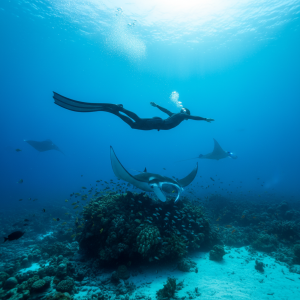
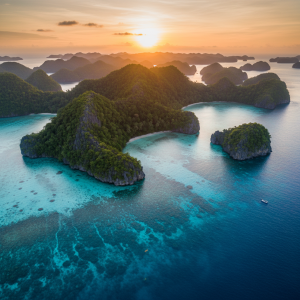
The water is a placid, impossible turquoise, broken only by the limestone karsts that jut from the sea like ancient teeth. You take a final, cleansing breath, the air thick with the scent of salt and damp jungle. Then, you dip below the surface. The world dissolves into a silent, blue cathedral. Your heartbeat is the only percussion as you glide past a tapestry of coral, a living metropolis of color and form. This is the singular, meditative pull of a Raja Ampat freedive, an experience that, for the discerning traveler, demands an execution as flawless as the environment itself. But what is the investment required for such a journey? The question of the Raja Ampat freediving trip cost is less about a simple price tag and more about deconstructing the anatomy of a truly world-class expedition.
Deconstructing the Cost: Beyond the Charter Fee
When my contacts in the bespoke travel world speak of Raja Ampat, they don’t talk in terms of package tours. They speak of orchestrating complex logistical ballets. The final cost of a luxury freediving trip here is a composite figure, a sum of meticulously chosen parts. The headline number—the weekly charter rate of a vessel—is merely the opening act. To truly understand the investment, one must look at the entire architecture of the trip, which typically falls into four key areas: the vessel, the journey to get there, the in-water expertise, and the onboard experience.
Raja Ampat, or the “Four Kings,” is a vast archipelago comprising over 1,500 islands scattered across 40,000 square kilometers of ocean, as documented by Wikipedia. Its remoteness is both its primary allure and its main cost driver. Unlike destinations with five-star resorts dotting the coastline, here, your accommodation is your transport, your restaurant, and your dive center. Therefore, the choice of liveaboard sets the entire tone and financial baseline. A true luxury trip prioritizes privacy, flexibility, and expertise. This means eschewing the larger, 20-passenger boats for a private charter of a traditional Indonesian phinisi, where the itinerary is yours to command and the crew-to-guest ratio often exceeds one-to-one. The price reflects not just a cabin, but exclusive access to one of the planet’s most biodiverse marine environments.
The Heart of the Experience: Selecting Your Liveaboard
The vessel is the centerpiece of any Raja Ampat journey, and in the luxury sphere, the options are nothing short of spectacular. We are not talking about standard dive boats; we are discussing handcrafted phinisi yachts—modern interpretations of traditional Indonesian two-masted sailing ships. Vessels like the 55-meter Prana by Atzaró or the impeccably designed Dunia Baru represent the pinnacle of this category. A full private charter for one of these yachts, accommodating 10-14 guests, can range from $90,000 to over $160,000 for a 7-night itinerary. This price typically includes all meals, non-alcoholic beverages, and the services of the entire crew, from the captain to the engineers and housekeeping staff.
What does that six-figure investment secure? It buys you a floating private villa. Suites on these vessels rival those of a St. Regis, with king-sized beds, en-suite bathrooms featuring rain showers, and private balconies. The communal spaces include air-conditioned salons, outdoor dining decks, and often dedicated spa rooms. A conversation I had with a charter manager last season revealed a crew-to-guest ratio of 1.5-to-1 on their top vessel, ensuring that every request is anticipated. The private chef on board isn’t just a cook; they are a culinary artist sourcing local ingredients for multi-course meals, paired with a curated wine list. This level of service is the primary differentiator and a significant component of the Raja Ampat freediving trip cost. For those not chartering the entire boat, a single suite on a shared luxury charter can be secured for between $9,000 and $15,000 per person, offering a taste of this opulence.
The Logistics of Reaching Paradise: Flights and Transfers
Raja Ampat’s isolation is a core part of its pristine appeal, but it presents a logistical challenge that adds to the overall cost. There are no direct international flights into the region’s gateway, Sorong’s Domine Eduard Osok Airport (SOQ). The journey requires careful planning. From North America or Europe, travelers should budget for business class flights into a major Indonesian hub like Jakarta (CGK) or Bali (DPS). These fares typically run from $5,000 to $10,000 per person, depending on the carrier and time of year. From there, a domestic flight on a premium carrier like Garuda Indonesia is required to reach Sorong.
For a seamless luxury experience, this is where a top-tier operator proves its worth. They handle all the frustrating details. This includes VIP airport services—being met at the jet bridge, expedited through immigration, and escorted to a private lounge while your luggage is handled. The transfer from Sorong’s airport to the harbor is not done in a standard taxi but in a private, air-conditioned vehicle. For the ultimate in privacy and convenience, some clients opt to charter a private jet for the final leg into Sorong, a service that can add another $20,000 to $50,000 to the trip’s cost but which entirely removes the friction of commercial domestic travel. As the official portal, indonesia.travel, notes, the journey is an integral part of the adventure, and at the luxury level, it must be as comfortable as the destination itself.
Onboard and In-Water: The Cost of Bespoke Freediving
This is where a standard luxury cruise diverges from a specialized Raja Ampat Freediving expedition. A generic liveaboard will have a scuba divemaster; a high-end freediving trip will have a certified instructor and professional guide who understands the unique demands of breath-hold diving. Sourcing and retaining this talent is a key expense. A private, week-long engagement with a world-class freediving guide can cost between $3,000 and $7,000, plus their travel expenses to the vessel. This expert provides personalized coaching, safety supervision, and, most importantly, knows the specific sites in Raja Ampat that are best suited for freediving—locations like the tranquil, current-free Blue Water Mangroves or the dramatic walls of the Fam Islands.
The equipment provided also reflects the price point. Instead of basic rental gear, expect a selection of high-performance carbon fiber fins from brands like Alchemy or C4, low-volume masks, and the latest dive computers. The trip’s cost also covers the necessary permits, including the Raja Ampat Marine Park Entry Permit, which is IDR 1,000,000 (approximately $65 USD) per person. But the true value is in the curated experience: the crew will know how to manage the tender for quiet, engine-off drops; the guide will set up buoy lines for deep training if requested; and the daily schedule will be built around optimal freediving conditions, not a rigid scuba itinerary. It’s a subtle but crucial distinction that separates a good trip from an unforgettable one.
Beyond the Blue: Land Excursions and Onboard Wellness
A significant portion of the cost for a luxury trip is allocated to experiences beyond the water’s edge. This is about creating moments of genuine connection and wonder, far from any crowds. A well-orchestrated trip will include a pre-dawn excursion to the iconic Piaynemo viewpoint, arriving via private tender long before the first tourist boats appear. The silence and the sunrise from that vantage point are, for many, worth the price of admission alone. Visits to local villages are conducted respectfully, often with a cultural liaison who facilitates authentic interaction rather than a transactional tourist visit.
The onboard experience is also elevated. Many high-end charters now include a dedicated wellness practitioner. This could be a yoga instructor leading sunrise sessions on the top deck or a professional massage therapist offering treatments after a long day in the water. These specialists can add $2,000 to $4,000 each to the weekly cost. Furthermore, a professional photographer and videographer can be hired to document the entire journey, creating a cinematic record of your adventure—another $5,000 to $10,000 investment. This comprehensive approach to service, which considers the guest’s experience from every angle, is what defines a modern luxury expedition in a place as significant as Raja Ampat, a region on the UNESCO World Heritage Tentative List for its unparalleled marine biodiversity.
Quick FAQ on Your Raja Ampat Freediving Trip Cost
When is the best (and most expensive) time to go?
The primary season for Raja Ampat is from October to April. During these months, the seas are calmest and marine life is most active, making it the peak period for liveaboards. Consequently, charter prices are typically 15-25% higher, with a premium surge around the Christmas and New Year holidays. The shoulder months, like May and September, can sometimes offer better value with fewer boats around.
Can this experience be done for less?
Absolutely, but it ceases to be a luxury trip. There are many excellent mid-range liveaboards and land-based homestays that offer incredible access to Raja Ampat for a fraction of the price, typically in the $2,500 to $6,000 per person range. The trade-off is in privacy, service level, cabin comfort, and the specialization of the guides. A luxury trip is defined by its exclusivity and bespoke nature.
What is the standard for tipping?
On a high-end private charter, the industry standard is to tip the crew between 5% and 10% of the total charter fee. For a $120,000 charter, this would amount to a $6,000 to $12,000 gratuity. This is typically given to the captain at the end of the trip, who will then distribute it among the entire crew, from the chef to the tender drivers and engineers who work behind the scenes.
Are there significant hidden costs?
Reputable charter companies are transparent, but it’s vital to clarify what’s included. Satellite internet is almost always an extra charge and can be expensive (e.g., $200 for a limited data package). Premium alcoholic beverages, crew gratuity, and laundry services are other common exclusions. Always request a detailed breakdown before booking to avoid any surprises to your final Raja Ampat freediving trip cost.
Ultimately, a journey to Raja Ampat is an investment in an increasingly rare commodity: a genuine encounter with a wild and profoundly beautiful corner of our planet. The cost reflects the immense effort required to access this remote paradise seamlessly, safely, and with a level of comfort and expertise that allows you to fully immerse yourself in the magic of the place. Planning your own journey into the blue begins with a conversation. Explore our curated Raja Ampat freedive expeditions at the Raja Ampat Freedive Society to understand how we craft these once-in-a-lifetime trips.