Updated: June 2026
Sustainability, Coral Restoration And Responsible Freediving
Understanding Sustainability in Raja Ampat
Sustainability in Raja Ampat is essential for the preservation of its breathtaking marine ecosystems. This region, renowned for its rich biodiversity, faces challenges such as coral bleaching, overfishing, and pollution. As a freediver, understanding your impact can help shape a more sustainable future for the underwater world.
Coral Restoration Programs in Raja Ampat
Raja Ampat is home to several coral restoration programs that aim to rehabilitate damaged reefs. The Coral Triangle Initiative, which spans six countries including Indonesia, is pivotal in these efforts. In Raja Ampat, various organizations have undertaken projects to restore coral reefs, such as the Raja Ampat Coral Restoration Project.
These projects typically involve coral gardening, where healthy corals are cultivated in nurseries before being transplanted onto degraded reefs. In 2026, you can participate in workshops that last 3-4 days, usually conducted in months like March and September when diving conditions are optimal. Costs for these workshops can range from $300 to $500 USD, covering training, materials, and accommodation.
How to Be an Eco-Friendly Diver in Raja Ampat
Being an eco-friendly diver requires mindfulness and respect for the marine environment. Here are several ways to practice responsible diving in Raja Ampat:
- Follow the no-touch rule: Touching coral can damage these fragile ecosystems. Familiarize yourself with the “not touching coral Raja Ampat rules,” which are strictly enforced in many dive spots.
- Select a responsible operator: Choose dive operators that prioritize environmental sustainability and have clear eco-friendly policies.
- Limit plastic usage: Embrace a plastic-free lifestyle during your dive trips. Bring reusable water bottles, straws, and bags.
Reef Safe Behavior for Freedivers
Freediving in Raja Ampat offers stunning experiences, but it’s crucial to engage in reef-safe behaviors. Here are some key practices:
- Equalize properly: Ensure you are comfortable at dive depths of up to 30 meters (about 98 feet), as improper equalization can lead to discomfort and damage to the reef.
- Use eco-friendly sunscreen: Many sunscreens contain harmful chemicals that damage coral. Opt for reef-safe products that do not contain oxybenzone or octinoxate.
- Maintain buoyancy: Avoid resting on the reef or using it for support. Practice neutral buoyancy to prevent accidental contact with fragile corals.
Supporting Local Communities in Raja Ampat
Supporting local communities is vital for the sustainability of Raja Ampat. By engaging in local conservation efforts and choosing to stay with locally-owned accommodations, freedivers can help empower these communities. In 2026, consider staying at homestays or eco-lodges that promote cultural and environmental education.
For example, visiting the village of Sawinggrai not only provides insight into local customs but also allows you to contribute to community-led conservation initiatives. Many of these villages run programs that educate visitors about coral ecosystems and sustainable fishing practices.
Plastic-Free Tips for Liveaboard Indonesia
When embarking on a liveaboard trip through Raja Ampat, minimizing plastic waste is crucial. Here are some effective strategies:
- Bring your own food: Pack snacks in reusable containers instead of single-use plastic bags.
- Use refillable toiletries: Invest in travel-sized containers to minimize plastic waste from shampoo and body wash.
- Participate in clean-up dives: Join organized clean-up dives that contribute to removing plastic waste from the ocean.
Understanding the Komodo National Park Conservation Fee Use
The Komodo National Park conservation fee, introduced for divers and tourists, supports biodiversity conservation efforts in the region. As of 2026, the fee is approximately $20 USD (340,000 IDR) per person, which provides crucial funding for park management and conservation projects.
This fee is vital for maintaining the health of coral reefs and marine habitats, ensuring that future generations can continue to enjoy the stunning underwater landscapes that Raja Ampat and Komodo National Park offer.
Ethical Manta Tourism Guidelines
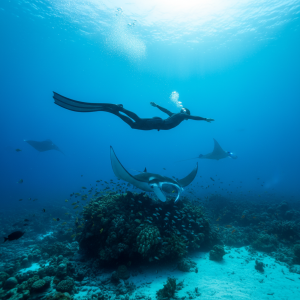
Raja Ampat is known for its majestic manta rays, and ethical tourism practices are essential to protect these creatures. When planning your excursions, follow these guidelines:
- Observe from a distance: Maintain a respectful distance of at least 3-5 meters (10-15 feet) to avoid stressing the animals.
- Avoid flash photography: Bright lights can disorient and disturb manta rays; use natural light whenever possible.
- Choose responsible tour operators: Support companies that adhere to ethical guidelines for interacting with marine life.
Frequently Asked Questions
1. What are the best times to visit Raja Ampat for freediving?
The best months for freediving in Raja Ampat are typically from October to April. During this period, conditions are calmer, and visibility can reach up to 30 meters (98 feet).
2. How can I participate in coral restoration programs?
Engage with local organizations that offer structured programs. Many include workshops where you can learn about coral gardening and participate in actual restoration efforts.
3. Are there any specific regulations for freediving in Raja Ampat?
Yes, regulations include a strict no-touch policy for coral, guidelines for observing marine life, and requirements for using eco-friendly products.
, embracing sustainability while freediving in Raja Ampat is not just a choice; it’s a responsibility. By following these guidelines, you can help protect this incredible marine paradise for future generations. Dive responsibly and contribute to the preservation of Raja Ampat’s underwater wonders!
Ready to explore Raja Ampat responsibly? Start planning your eco-friendly diving adventure today!
Choosing Sustainable Dive Operators
Selecting the right dive operator is crucial for ensuring your activities support conservation efforts. Look for operators that are members of recognized environmental programs like the Green Fins initiative, which promotes sustainable diving practices. For instance, companies such as Papua Diving and Raja Ampat Dive Resort have committed to minimizing their environmental footprint.
In 2026, expect to pay around $75 to $150 USD per dive with these operators, depending on the dive site and duration. Inquire about their sustainability practices, such as the use of eco-friendly boat designs or adherence to strict dive limits to reduce coral damage. A responsible operator will also educate divers on local ecosystems and the importance of preserving them.
Engaging in Local Conservation Efforts
Participating in local conservation initiatives is a rewarding way to give back to the community and the environment. In Raja Ampat, organizations like WWF Indonesia and the Coral Triangle Center often seek volunteers for various projects. These may include beach clean-ups, reef monitoring, or educational outreach within local communities.
- Beach Clean-Ups: Join local efforts to remove trash from shorelines. These events often take place on weekends, and you can help make a significant impact on marine life.
- Citizen Science: Engage in reef monitoring programs that require volunteers to help assess coral health. Training sessions are typically offered twice a year, with participation fees around $100 USD.
- Educational Workshops: Attend workshops that teach sustainable fishing practices to local fishermen, ensuring their livelihoods while protecting fish populations.
Involving yourself in these activities not only enhances your experience in Raja Ampat but also fosters a sense of community and responsibility towards the environment.
Understanding Freediving’s Role in Conservation
Freediving, with its focus on breath-hold diving without tanks, promotes a deeper connection with marine life while minimizing disturbance. In Raja Ampat, freediving opportunities abound, and understanding how to dive responsibly can aid conservation efforts. As of 2026, guided freediving tours are available for approximately $500 USD for a 3-day package, including training and equipment rental.
While freediving, ensure you:
- Practice Ascending and Descending Slowly: This minimizes the impact on marine life and reduces the risk of barotrauma.
- Respect Marine Life: Observe creatures from a distance and avoid touching them or disturbing their habitats.
- Limit Your Dive Time: Keeping your dives shorter helps conserve energy and reduces stress on marine ecosystems, especially during sensitive periods like spawning.
Connecting with nature through freediving can lead to a deeper understanding of the importance of marine conservation, inspiring participants to adopt sustainable practices in their daily lives.
Supporting Local Communities through Responsible Tourism
Responsible tourism not only benefits the environment but also supports local communities economically. When traveling in Raja Ampat, consider staying at homestays or eco-lodges that prioritize local employment and sustainable practices. Prices for these accommodations can range from $40 to $150 USD per night depending on the amenities offered.
Additionally, opt for local tour guides rather than larger, international companies. This ensures that your spending directly supports the community. Participation in traditional cultural activities, such as local dances or cooking classes, can enhance your travel experience while providing essential income to local artisans.
In 2026, you can expect to participate in cultural immersion activities for around $50 to $100 USD, which often include meals and transportation to local villages. By choosing responsible tourism, you contribute to the preservation of both the environment and the rich cultural heritage of Raja Ampat.
Explore more from Rajaampatfreedive
- Rajaampatfreedive — home
- How to Book Raja Ampat Freedive Society
- 7-Day Raja Ampat Freedive Society Itinerary
- 3-Day Raja Ampat Freedive Society Itinerary
- Packing List, Wetsuits And Seasickness Tips For Liveaboards
- Raja Ampat On A Budget: Homestays, Food And Local Boats