Updated: June 2026
Snorkeling And Freediving With Mantas In Raja Ampat
Snorkeling and Freediving with Mantas in Raja Ampat
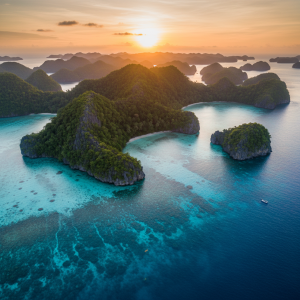
Raja Ampat, a stunning archipelago in Indonesia, is renowned for its rich marine biodiversity, making it one of the best destinations in the world for snorkeling and freediving, especially with majestic manta rays. These gentle giants can be spotted year-round, but certain conditions improve the chances of encountering them and the overall experience.
Understanding the Manta Experience
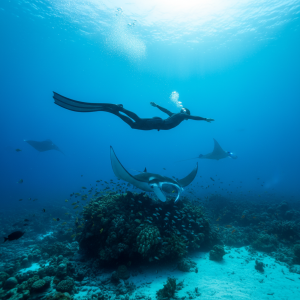
Can you snorkel with mantas in Raja Ampat? Absolutely! The region offers incredible opportunities for both snorkelers and freedivers to interact safely with these magnificent creatures. Manta rays, known for their graceful movements and large wingspan, can be found in several key locations, primarily Manta Point, Manta Sandy, and Manta Ridge. The best month for mantas in Raja Ampat typically coincides with the plankton season, which runs from October to April, peaking between December and February.
Top Spots for Manta Encounters
spotting mantas, two primary sites stand out: Manta Sandy and Manta Ridge. While each location offers unique experiences, the choice between the two often depends on the diver’s or snorkeler’s preference.
Manta Sandy
Manta Sandy, located off the coast of Mansuar Island, is a popular gathering spot for manta rays, especially during the plankton bloom. The site features a sandy bottom with a gentle slope, allowing for easy access for snorkelers and freedivers alike. Here, you can expect to see mantas gliding gracefully through the water, filtering plankton as they approach. The average depth for snorkeling is around 3-10 meters, making it accessible for beginners.
Manta Ridge
Manta Ridge, situated near the Lihaga Islands, is another sought-after spot for mantas. This dive site is slightly deeper, averaging around 15-20 meters, and is often favored by experienced freedivers looking to swim alongside these majestic creatures. The currents may be more pronounced here, making it essential to assess conditions before diving in. While both sites are excellent, many freedivers prefer Manta Ridge for its potential to encounter larger schools of mantas and the thrill of deeper depths.
Choosing the Right Time for Manta Interactions
The best time to snorkel or freedive with mantas in Raja Ampat largely depends on the seasonal patterns of plankton. The Manta Point freediving experience is typically most fruitful from December through February, when the nutrient-rich waters draw in large populations of plankton, and consequently, the mantas. During this time, visibility can range from 10 to 30 meters, with an average of 20 meters, making for spectacular underwater photography and viewing.
Safety and Etiquette in Manta Encounters
When snorkeling or freediving with mantas, it’s crucial to prioritize safety and respect both the creatures and their habitat. Here are some essential points to keep in mind:
- Manta Safety Distance: Maintain a safe distance of at least 3 meters from the mantas to minimize stress on the animals. Getting too close can disturb their natural feeding patterns.
- Manta Etiquette: Avoid touching or chasing the mantas. Instead, observe them from a distance and allow them to approach you if they feel comfortable.
- Group Behavior: If you are part of a tour group, stay close to your guide and follow their instructions for safe snorkeling or diving.
- Environmental Awareness: Be mindful of your interactions with the marine environment. Avoid kicking up sand and refrain from littering.
Are Mantas Dangerous?
One of the most common questions asked by snorkelers and divers is, “Are mantas dangerous in Raja Ampat?” The answer is a resounding no. Manta rays are known for their gentle nature and pose little threat to humans. They do not have stingers like their cousin, the stingray. Instead, they are filter feeders, primarily consuming plankton. However, as with any wild animal, it’s essential to treat them with respect and caution.
Preparing for Your Manta Adventure
Before heading out for your snorkeling or freediving adventure, it’s important to prepare adequately. Here are some practical tips for a successful experience:
- Equipment: If you’re planning to snorkel or freedive with mantas, ensure you have the right gear. A wetsuit is recommended for warmth, especially during cooler months. If you’re freediving, a proper mask and snorkel, fins, and wetsuit are essential.
- Booking a Tour: Many local operators offer guided tours specifically targeted at snorkeling and freediving with mantas. Prices typically range from $70 to $150 per person for a full-day tour, including equipment rental, lunch, and the chance to visit multiple sites.
- Health and Fitness: Ensure you are physically fit for open-water swimming and freediving. If you’re new to freediving, consider taking a course to learn proper techniques.
Raja Ampat’s Unique Marine Environment
The marine ecosystem in Raja Ampat is truly unique, characterized by its vibrant coral reefs and diverse marine life. During the plankton season, visibility can occasionally decrease due to the abundance of nutrients in the water, but this is precisely what draws the mantas. The interplay of visibility, depth, and current creates a dynamic underwater environment that is both intriguing and beautiful.
As you prepare to explore Raja Ampat, remember that each dive or snorkeling session is a chance to appreciate not just the mantas but the entire marine ecosystem. Bring a good camera or GoPro to capture the beauty, but remember to keep your distance and respect marine life as you do so.
FAQs
1. What is the best month for mantas in Raja Ampat?
The best months to see mantas are December through February, when plankton blooms attract them to the surface waters.
2. Can you snorkel with mantas in Raja Ampat?
Yes, both snorkelers and divers can enjoy the experience of swimming alongside mantas at popular spots like Manta Sandy and Manta Ridge.
3. Are manta rays dangerous?
No, manta rays are gentle creatures that pose little danger to humans, making them safe to observe while snorkeling or freediving.
Conclusion
Snorkeling and freediving with manta rays in Raja Ampat is an experience like no other. With the right timing, respect for the marine environment, and adherence to safety guidelines, you can create lasting memories while witnessing these awe-inspiring creatures in their natural habitat. Whether you choose Manta Sandy or Manta Ridge, the adventure awaits. Prepare yourself for an unforgettable encounter!
Explore more from Rajaampatfreedive
- Rajaampatfreedive — home
- How to Book Raja Ampat Freedive Society
- 7-Day Raja Ampat Freedive Society Itinerary
- 3-Day Raja Ampat Freedive Society Itinerary
- Top Raja Ampat Freediving Sites: Cape Kri To Manta Sandy
- Labuan Bajo And Komodo Free Dive Itineraries From Flores