Updated: June 2026
Top Raja Ampat Freediving Sites: Cape Kri To Manta Sandy
Understanding Freediving in Raja Ampat
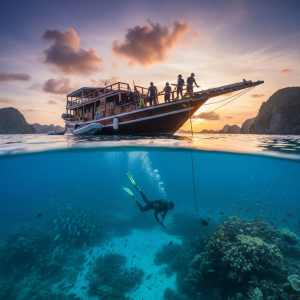
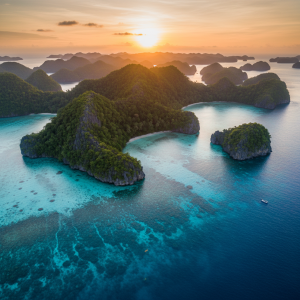
Freediving in Raja Ampat offers an exhilarating experience for both seasoned divers and beginners. This stunning archipelago is known for its rich marine biodiversity, vibrant coral reefs, and crystal-clear waters. With numerous freediving sites, Raja Ampat provides unique opportunities to encounter everything from majestic manta rays to intricate coral gardens.
Best Freediving Sites in Raja Ampat
The best freediving sites in Raja Ampat range from shallow reefs perfect for beginners to deep dives that challenge even the most experienced divers. Let’s explore some of the top spots, each with its unique features and marine life.
Cape Kri
Cape Kri is often hailed as one of the premier freediving locations in Raja Ampat. Situated off the coast of Kri Island, this site boasts impressive biodiversity. The depths here can reach up to 40 meters (131 feet), making it ideal for advanced freedivers. The currents around Cape Kri can be moderate to strong, particularly during tidal changes, so it’s crucial to plan your dive accordingly.
In terms of visibility, it often exceeds 30 meters (98 feet), especially from September to November, making it a prime time for underwater photography. Expect to see a myriad of species, including schools of barracuda, butterfly fish, and even occasional reef sharks. Diving with a guide familiar with the local conditions is highly recommended to ensure safety and maximize your experience.
Manta Sandy
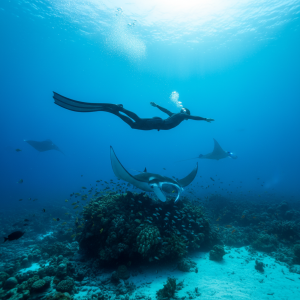
Another highlight of Raja Ampat’s freediving scene is Manta Sandy. This site is particularly famous for its resident manta ray population, which can be spotted year-round. The best time to see these gentle giants is from October to April. The depth here ranges from 10 to 20 meters (33 to 66 feet), making it accessible even for beginners.
When freediving here, it’s essential to adhere to specific guidelines to protect the mantas and their environment. Maintain a respectful distance, avoid strong kicking, and refrain from touching the rays. With visibility often over 25 meters (82 feet), you’ll have the chance to observe these majestic creatures gliding gracefully through the water.
Magic Mountain
Magic Mountain is another must-visit site for those looking to explore Raja Ampat’s underwater wonders. This underwater seamount rises dramatically from the ocean floor, attracting a plethora of marine life. The site features a depth of about 25 to 30 meters (82 to 98 feet), making it suitable for intermediate to advanced freedivers.
The conditions here can vary, with currents sometimes making the dive more challenging. However, the rewards are plentiful, with sightings of large schools of fish, including snapper and trevally. For the best experience, dive during the early morning or late afternoon when the light is ideal and marine activity peaks.
Boo Windows
Boo Windows offers a unique underwater landscape characterized by stunning rock formations and crystal-clear waters. This site features two large openings in the rock, providing a spectacular view both above and below the surface. The depth here reaches around 20 to 25 meters (66 to 82 feet), suitable for beginners and experienced freedivers alike.
Visibility at Boo Windows can vary, but it is generally good, often exceeding 20 meters (66 feet). The best time to visit is during the dry season, from October to April. When freediving here, you can expect to see vibrant coral gardens, and an assortment of marine species, including clownfish and parrotfish. Pay close attention to the current conditions before diving, as they can change rapidly.
Drift Freediving Safety in Raja Ampat
Drift freediving is a popular activity in Raja Ampat, allowing divers to experience the current while observing marine life without using excessive energy. However, safety should always be the top priority. Before embarking on a drift dive, familiarize yourself with the following safety tips:
- Buddy System: Always dive with a partner to ensure safety and provide assistance if needed.
- Current Awareness: Assess the current before diving, especially at sites known for strong currents like Cape Kri.
- Emergency Procedures: Have a plan in place for emergencies, including how to signal for help and where to surface.
Staying within your limits and maintaining open communication with your dive buddy is key to a successful and safe freediving experience.
Visibility by Dive Site
Visibility is an essential factor in freediving, as it greatly impacts the overall experience. Here’s a quick overview of visibility conditions at some of Raja Ampat’s most popular sites:
| Dive Site | Average Visibility (meters) | Best Months |
|---|---|---|
| Cape Kri | 30+ | September – November |
| Manta Sandy | 25+ | October – April |
| Magic Mountain | 20+ | May – November |
| Boo Windows | 20+ | October – April |
Generally, the dry season from October to April offers the best visibility across most sites, providing ideal conditions for enjoying the underwater beauty of Raja Ampat.
Easy Freedive Sites for Beginners
For those new to freediving, Raja Ampat offers several sites that are beginner-friendly. These locations typically feature shallower depths, calm waters, and abundant marine life, creating a comfortable environment for less experienced divers.
- Blue Water, Gili Lawa: This site offers depths of 5 to 15 meters (16 to 49 feet) with minimal current and excellent visibility.
- Kri Eco Resort House Reef: Ideal for novice divers, the house reef boasts a shallow depth of 5 to 10 meters (16 to 33 feet), featuring vibrant coral and small fish.
- Fisherman’s Rock: With a max depth of 10 meters (33 feet), this site is perfect for beginners, providing a safe, calm environment.
For beginners, it’s recommended to take a freediving course or join a guided tour to learn the fundamentals of breath-hold diving safely.
Conclusion
Raja Ampat’s underwater landscape is nothing short of mesmerizing, offering a plethora of freediving sites suitable for all levels. From the vibrant ecosystems at Cape Kri and Manta Sandy to the breathtaking views at Boo Windows, there’s something for every freediver to explore.
Make sure to prioritize safety and respect the marine environment during your adventures. For those looking to experience the magic of Raja Ampat, now is the time to pack your gear and dive into one of the world’s most beautiful underwater paradises!
Frequently Asked Questions
- What is the best time to freedive in Raja Ampat? The ideal time for freediving is during the dry season from October to April, offering the best visibility and marine life activity.
- What equipment do I need for freediving? Essential equipment includes a wetsuit, mask, snorkel, and fins. A weight belt may also be useful depending on your buoyancy.
- Are there guided freediving tours available? Yes, numerous operators offer guided tours for all levels, complete with safety equipment and expert guidance.
Your adventure awaits in Raja Ampat—get ready to dive in!
Explore more from Rajaampatfreedive
- Rajaampatfreedive — home
- Raja Ampat Freedive Society Cost & Pricing Guide
- How to Book Raja Ampat Freedive Society
- 7-Day Raja Ampat Freedive Society Itinerary
- Group Trips, Retreats And Freedive Courses In Raja Ampat
- Snorkeling And Freediving With Mantas In Raja Ampat